

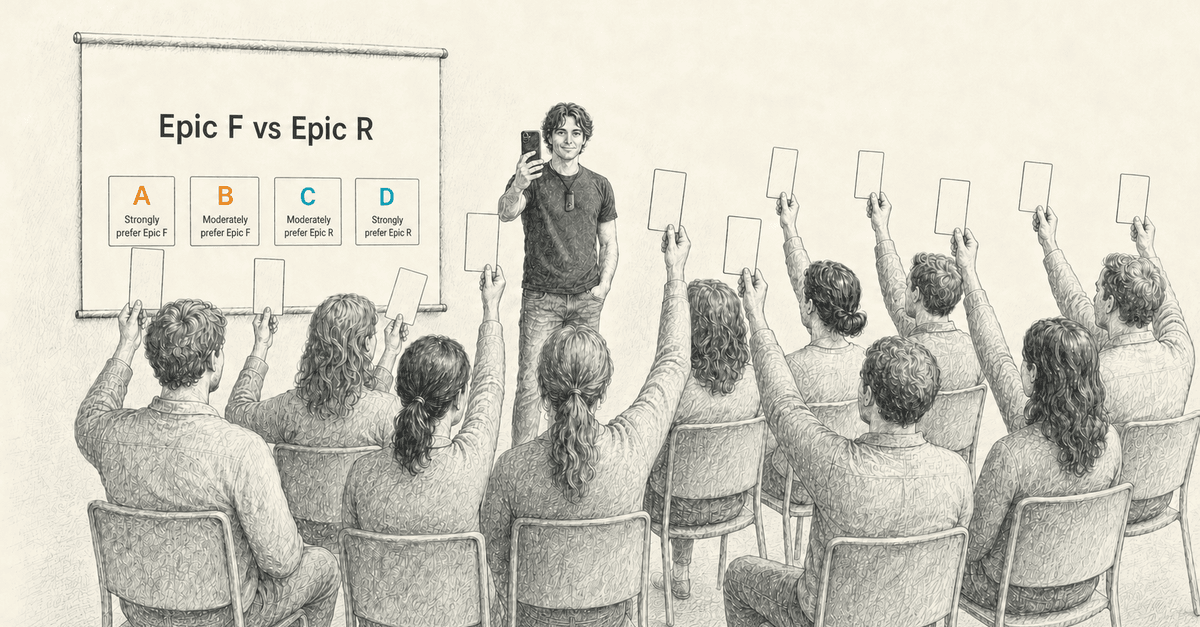
Prioritising a portfolio when the cost-of-delay data is thin
Forced-choice portfolio prioritisation when cost-of-delay data is thin: Plickers cards, Delphi rounds, and adaptive pairwise ranking in Prioneer.
grounded-forge, by example
An introduction to grounded-forge through one unedited session, receipts included: Marine warfighting doctrine read against the OpenStax management textbooks, with a full retrieval trace.
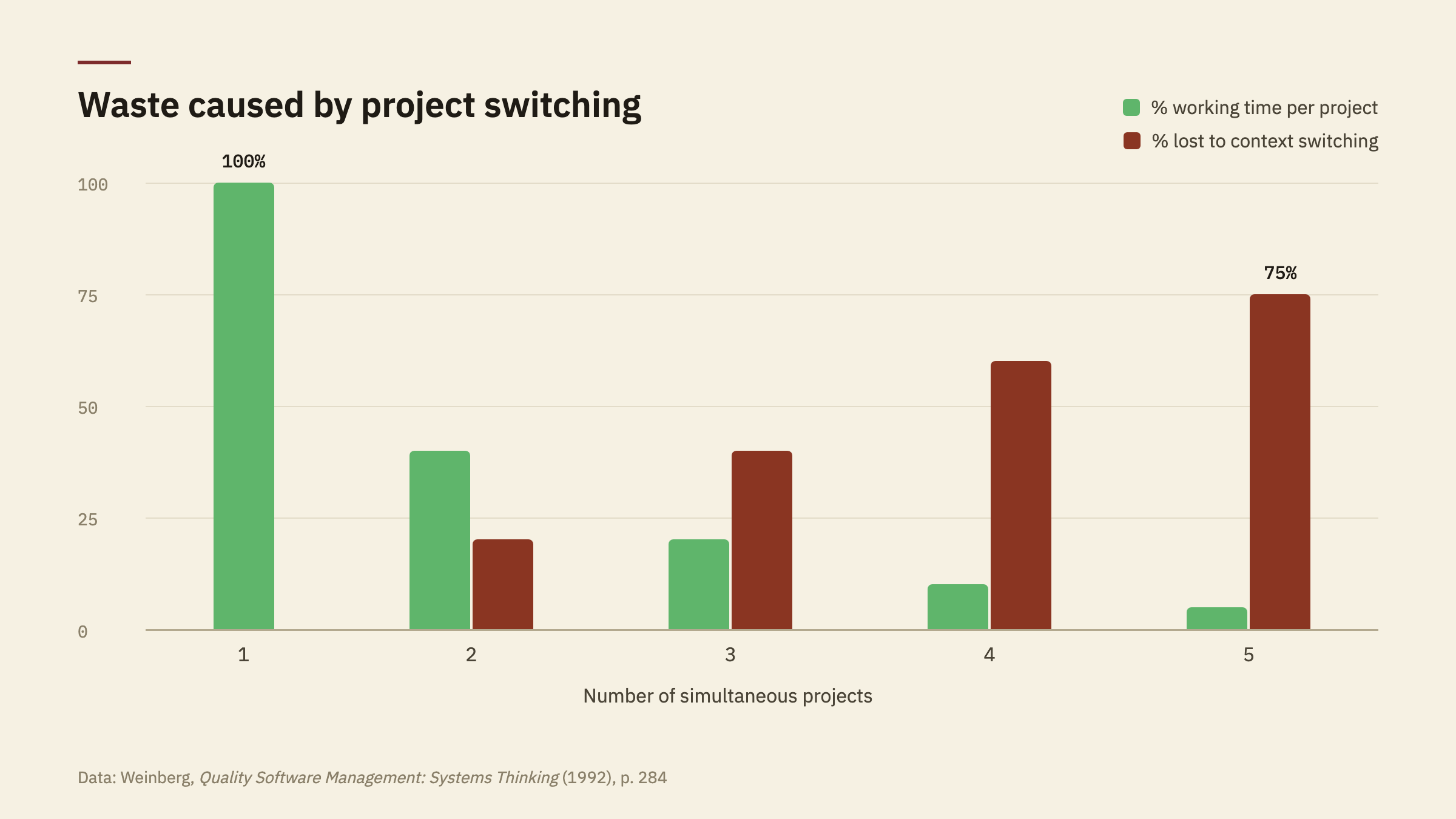
Wastes caused by context switching
I first published a version of this piece on LinkedIn in 2021, when the argument ran on Weinberg's table and Kniberg's prioritisation illustrations alone. They carry the "don't do everything at once" point well enough. What I have built since is a working Cost of Delay tool over a 1,470-story engineering portfolio, grounded in Don [...]
Your AI gives you the most-published take, not the best
Your AI defaults to the most-published, not the best. grounded-forge is my open-source answer: pick the sources you trust, project them onto your task once under audit, and let the assistant cite back to the source.
Your Paradigms, Made Visible: A Mirror for Executives in Software-Dependent Firms
A mirror for executives in software-dependent firms: the paradigm axes your organisation runs on, made visible so you can test them.
Come Prepared to Die: Your Paradigms Were Survivable. AI Makes Them Lethal.
The paradigms most organisations run on were survivable when machines couldn't replace people. AI changes that. The essay that became the book.
Just This: a practitioner’s meditation
My Alētheia teacher offered a different frame in the middle of a hard week: not yes, not no, just this, whatever is actually facing me. A small distinction on the page, decisive in the body, and it turns out to be what Agile was pointing at all along.
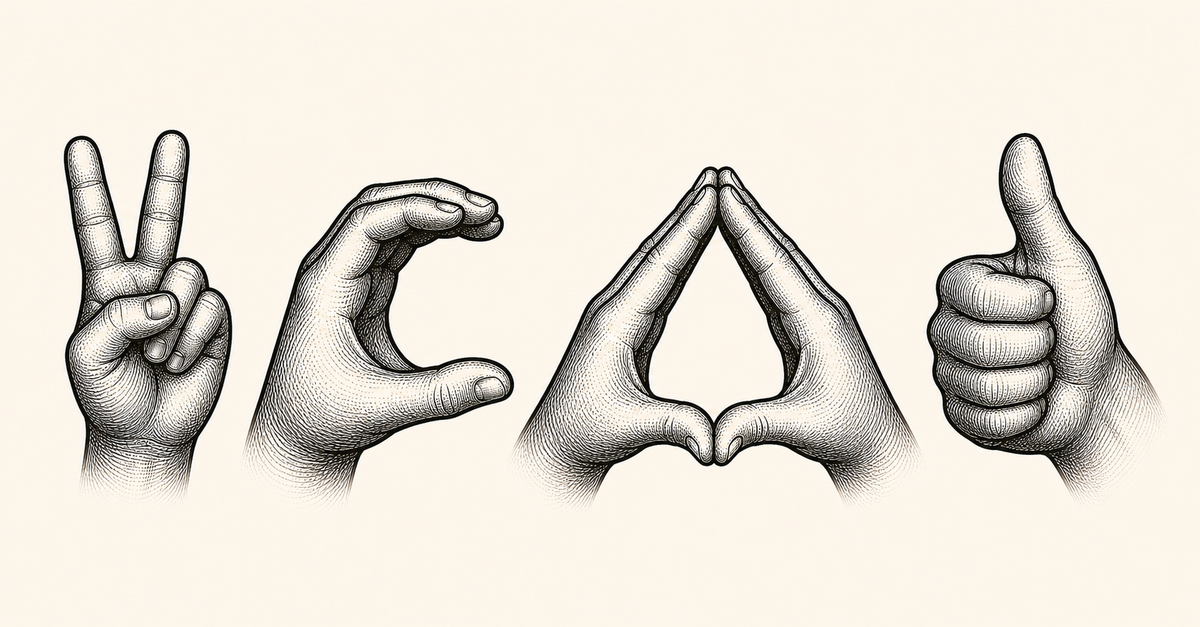
Several Simple Hand Signals for Video-Based Collaboration
Simple hand signals that give video meetings back the body language they lost: C for clarification, delta for a topic change, and more. In active use since 2020.
Agile Lessons from the NUMMI Team Member Handbook
The factory GM and Toyota reopened together shows what a healthy operating culture actually asks of people. What the andon cord teaches about safety, stopping the line, and blameless improvement.

An Open Letter to Stephen Wolfram and Spike Jonze
In 2017 I asked two people I admire to build a particular kind of machine. Working with Claude grounded in a 400-reference library, I now use something close to what I was asking for.
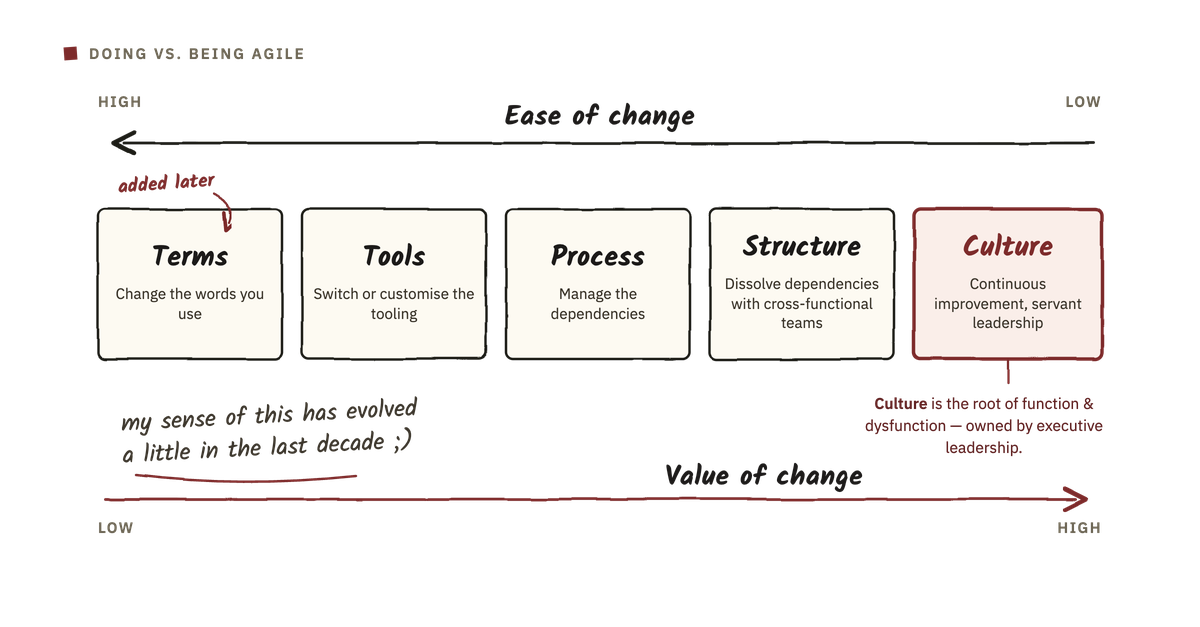
On Doing Versus Being Agile
[May 2026] I now reach for Schein on culture, Westrum on generative-vs-pathological organisations, Edmondson on psychological safety, Senge on learning-organisation discipline, and Galbraith’s Star Model alongside Org Topologies for structure as the more rigorous current vocabulary for what this post calls “structure and culture.” The doing-vs-being distinction still holds; the toolkit has matured. I’ve also [...]
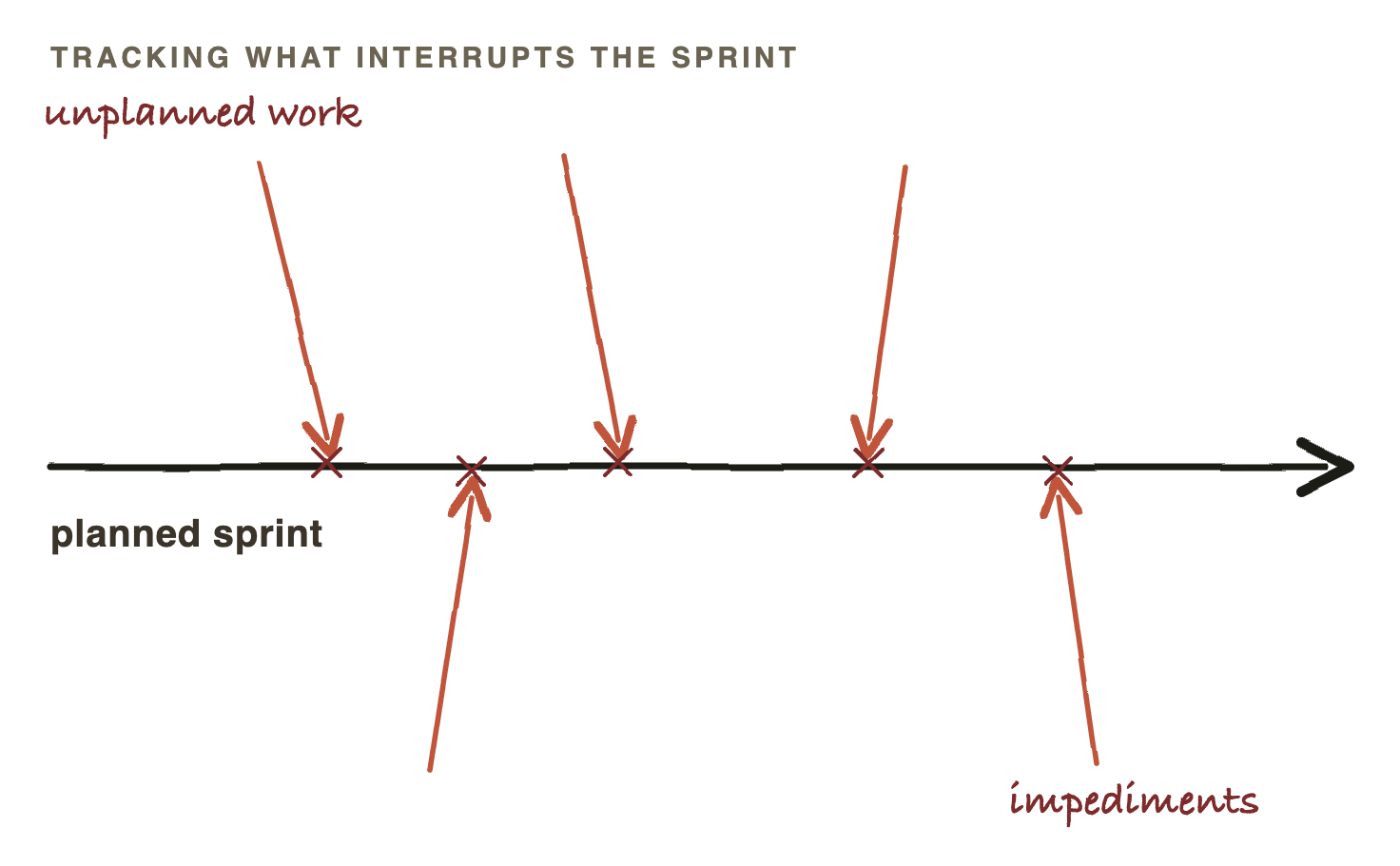
How Scrum Teams Can Seek Out and Destroy Organizational Impediments and Unplanned Work
Track the unplanned work and the impediments as their own signal, and the system starts telling you where it breaks. The early instinct that later became control charts on two streams.
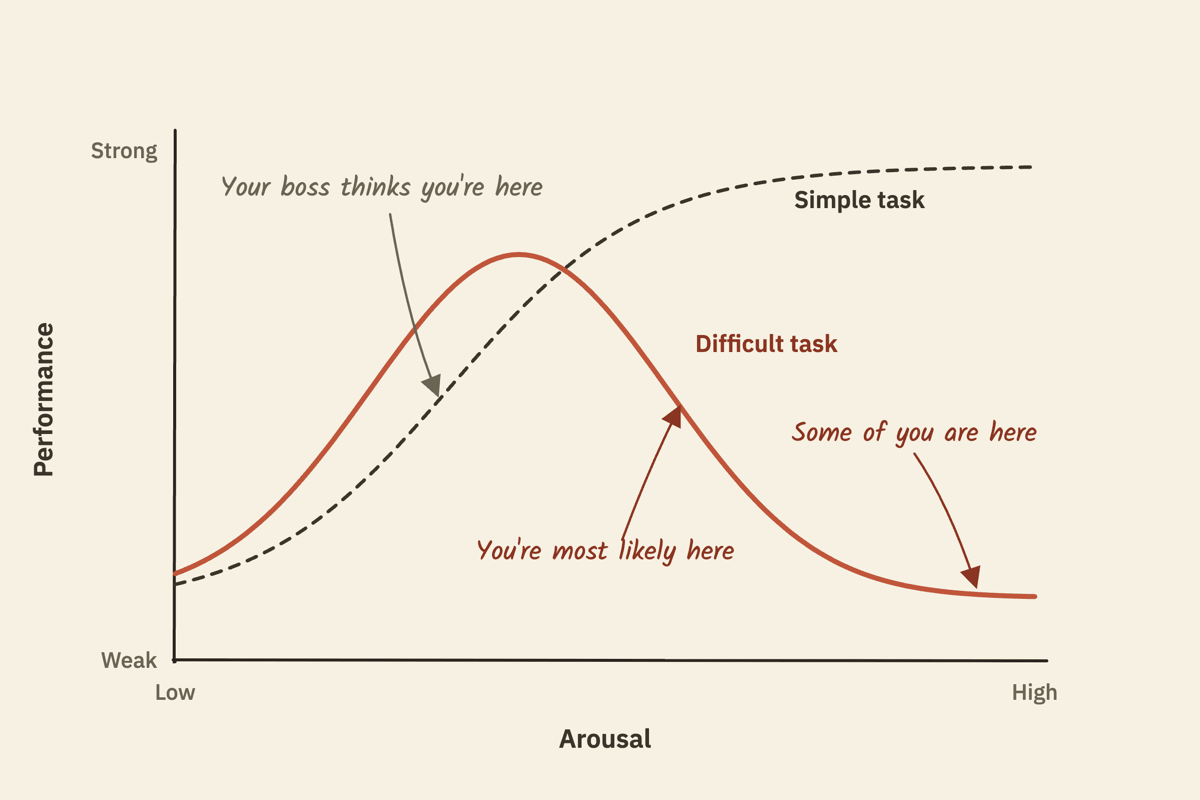
What a 106-year-old psychological law tells us about stress in the office
[May 2026] I'd frame this more carefully now. Social-evaluative threat and Amy Edmondson's psychological safety are close cousins, not the same thing: psychological safety is about whether people believe it's safe to take interpersonal risks at work. And I'd treat Yerkes-Dodson as a useful heuristic rather than a hard law. The point I still stand [...]
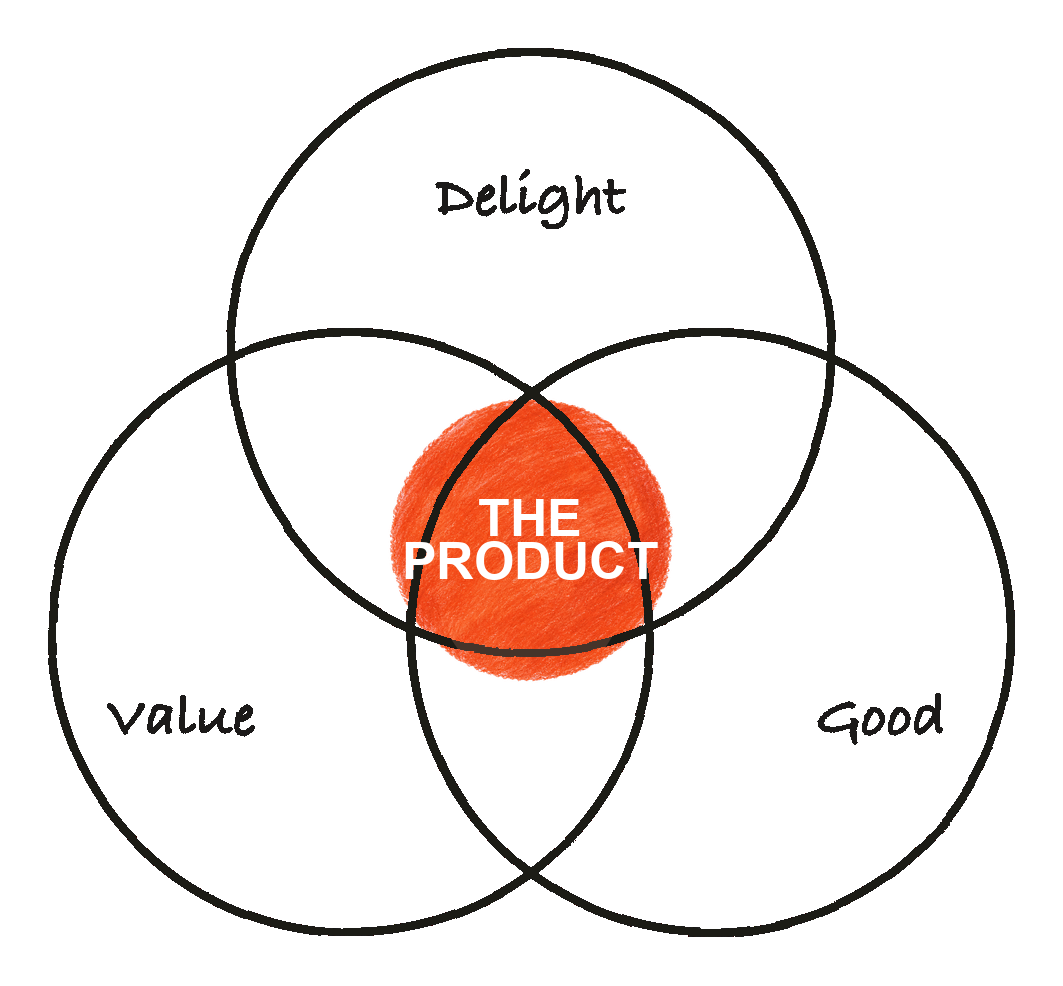
The Three Most Important Aspects of a Successful Product
Delight, value, and doing some good in the world: the frame I still use for products and AI tools alike. The "do good" part has only grown more central as the stakes rise.

Mary Poppendieck’s “The Tyranny of ‘The Plan'”
A long, close reading of Poppendieck's talk on how plans quietly become the thing we serve instead of the thing we're building. Cost of delay, queues, and the economics underneath the manifesto.
“Silent Lens” Wins Google Ideas challenge at the Google “Develop for Good” Global Hackathon
An app to help people document civil-importance events under hostile conditions, built for a Google hackathon. What I'd change today, and what the design got right about trust under adversarial pressure.
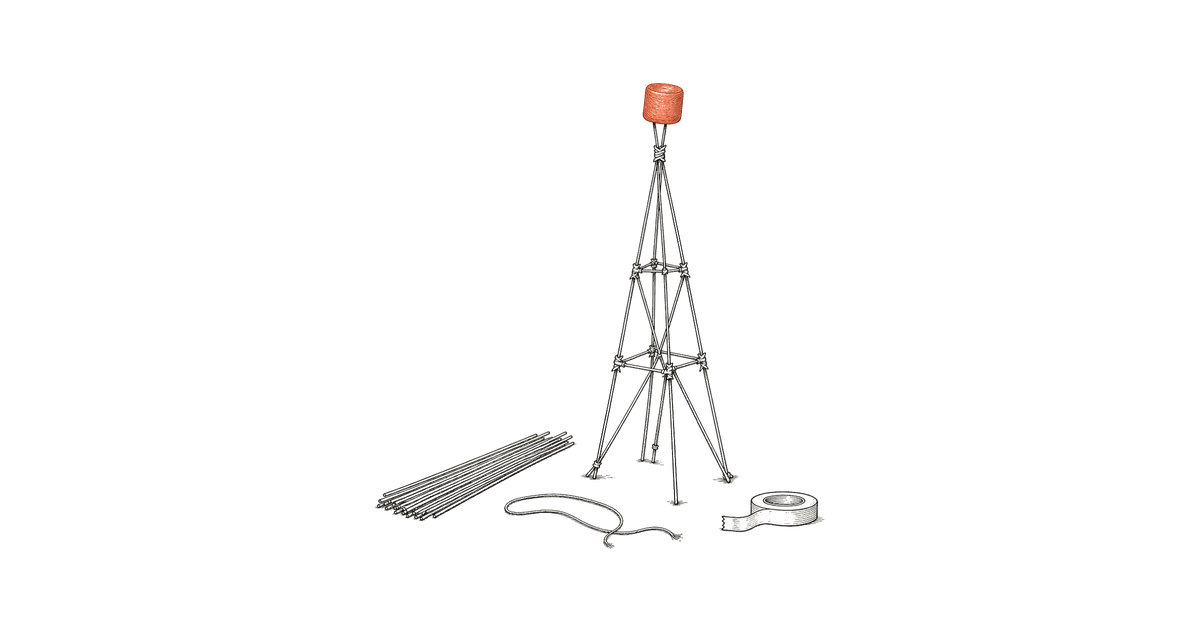
The Customer is the Marshmallow
The marshmallow challenge is the whole argument for shipping early and often, in eighteen minutes of spaghetti and tape. Prototype, test, and stop mistaking the plan for the product.
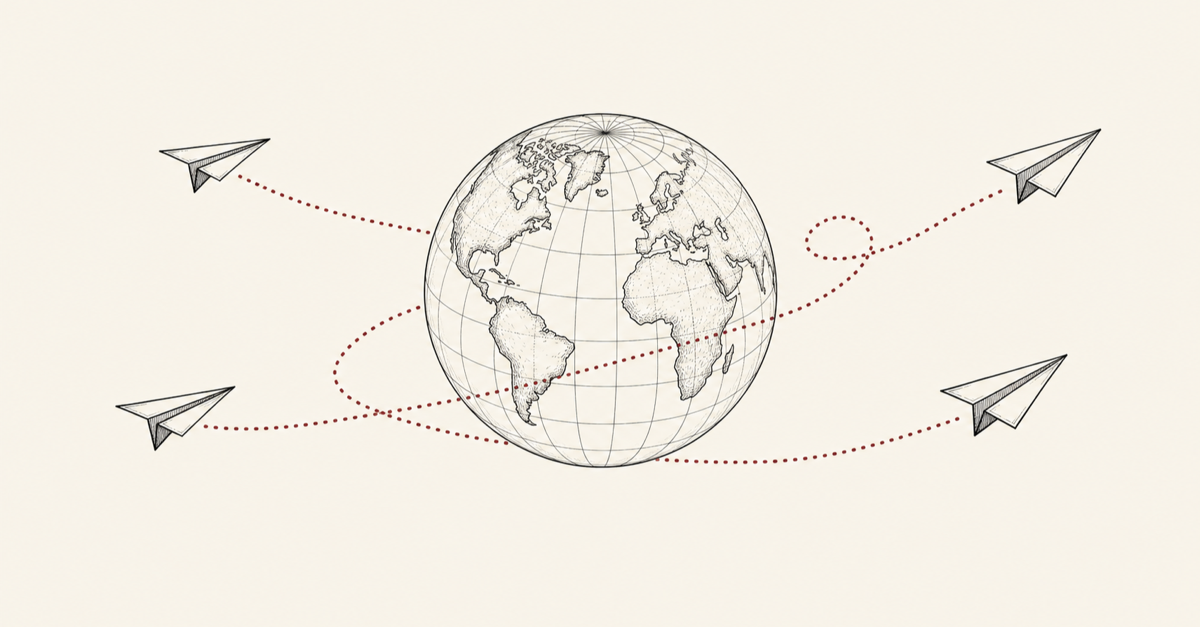
What effects will increasing globalization have on America’s knowledge workers?
The question I asked as an undergraduate in 2003, before I had any of the answers, and it has aged into direct relevance. Why factor prices don't equalise, and what that means now.